WHEN THE PAST LOOKED LIKE FUTURE......
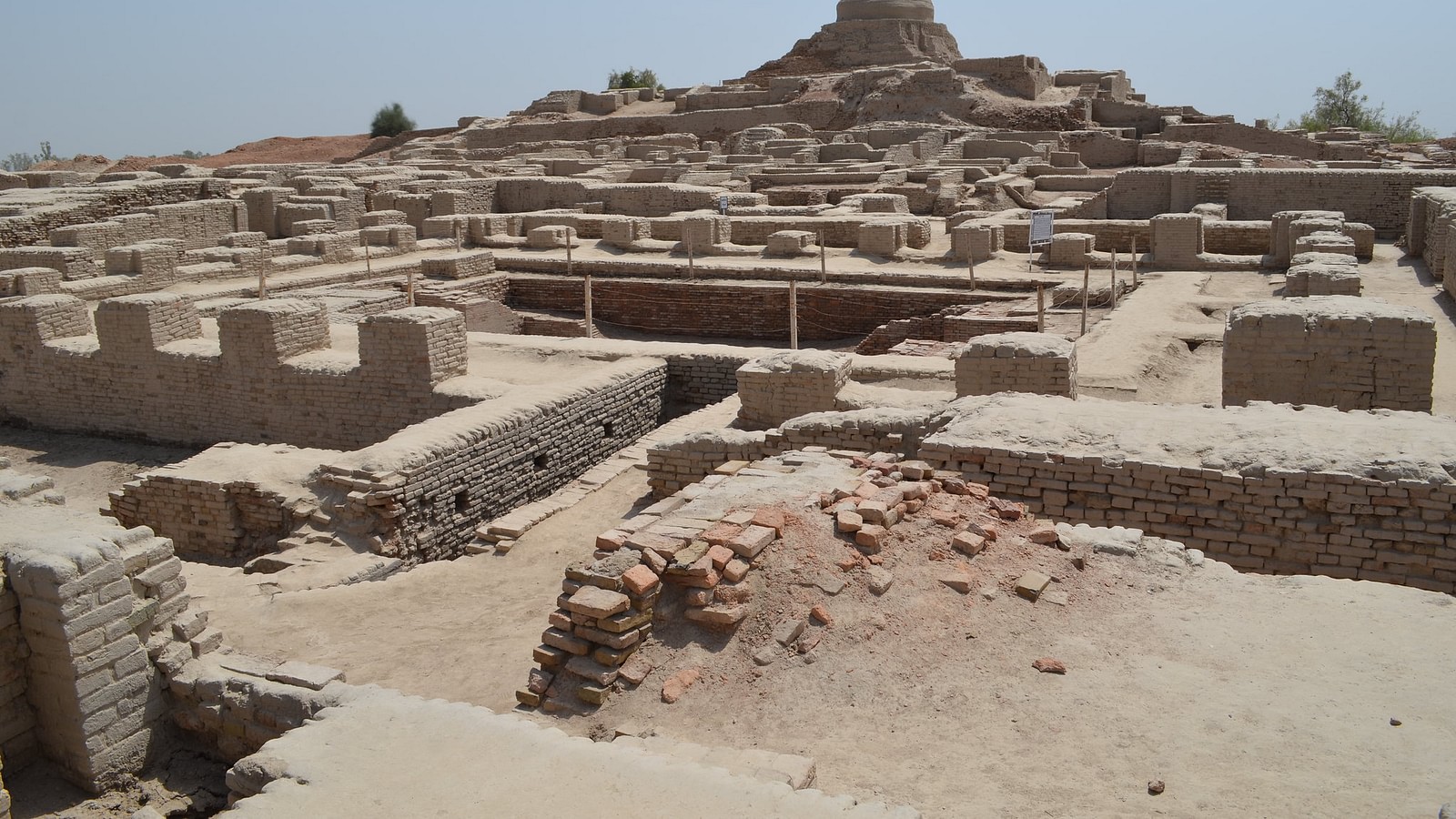
As the sun rose over the wide plains of the Indus River, a city unlike any other stirred to life. Mohenjo-daro woke not to the sound of marching armies or royal proclamations, but to the quiet rhythm of daily order. Straight streets stretched between rows of brick houses, each built to the same careful measurements, as if the city itself followed an unspoken rule. Beneath the feet of its people, covered drains carried wastewater away, keeping the streets clean even during heavy rains. Wells stood at regular intervals, offering fresh water to every neighborhood, a sign that comfort and hygiene were not luxuries, but expectations.
Families lived in sturdy homes with inner courtyards, where light and air softened the heat of the day. Many houses had private bathing rooms, their floors gently sloped to guide water into clay pipes—an innovation centuries ahead of its time. At the heart of the city stood the Great Bath, its walls sealed with natural bitumen, perhaps used for ritual cleansing or communal gatherings. Nearby, large granaries stored grain brought from surrounding fields, evidence of careful planning and shared resources.
Beyond the city gates, traders prepared for long journeys. They packed finely carved seals marked with animals and mysterious symbols, beads of carnelian and lapis lazuli, and cotton cloth woven from one of the world’s earliest known cotton industries. Boats followed river routes, while caravans crossed deserts and mountains, reaching distant Mesopotamian cities where the land of the Indus was known as Meluhha. Through trade, ideas and goods flowed in and out, connecting this quiet civilization to the wider ancient world.
Artisans worked patiently—potters shaping red clay vessels, metalworkers casting tools and ornaments from copper and bronze, and jewelers drilling tiny holes into beads with astonishing precision. Children played in the streets, farmers tended wheat and barley fields along the riverbanks, and animals—cattle, dogs, and water buffalo—shared the landscape. Yet despite all this life, there were no towering palaces or grand tombs, no statues of god-kings demanding worship. Power, if it existed, left little trace, suggesting a society guided more by cooperation and shared norms than by force.
For centuries, the cities endured floods and seasons, adapting and rebuilding. But slowly, the rivers began to change their course. Rains grew uncertain, fields became harder to sustain, and trade routes weakened. One by one, neighborhoods emptied, bricks were reused, and people drifted eastward in search of more reliable water and land. There was no sudden fall, no dramatic invasion—only a gradual fading, like footsteps receding into dust.
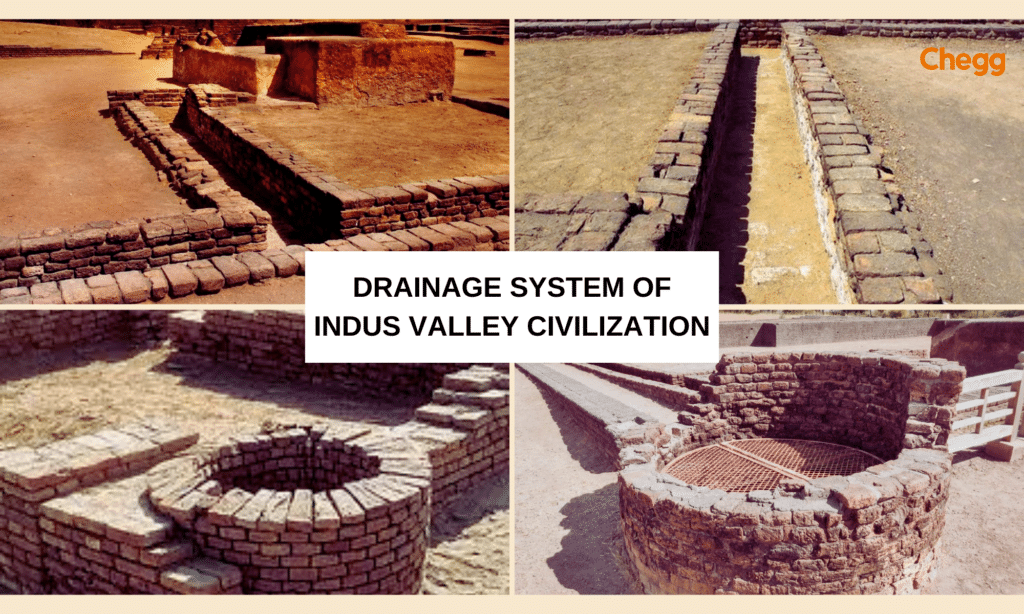
Today, the streets of Mohenjo-daro and Harappa lie silent, their script still unread, their voices lost to time. Yet in their precise bricks, advanced sanitation, and peaceful urban design, the Indus Valley Civilization continues to speak—telling the story of a people who mastered city life not through conquest, but through planning, balance, and remarkable foresight.

Comments
Post a Comment